 Kizzuna
Kizzuna
Kizzuna
The invisible bond that ties people together — the force that intertwines lives, communities, and hearts across distance and time.
Popularized worldwide after the 2011 Tōhoku earthquake, when Japan chose 絆 as the kanji of the year — a symbol of resilience and the enduring power of human connection through even the deepest rupture.
That's the word we built this around.
Our Story
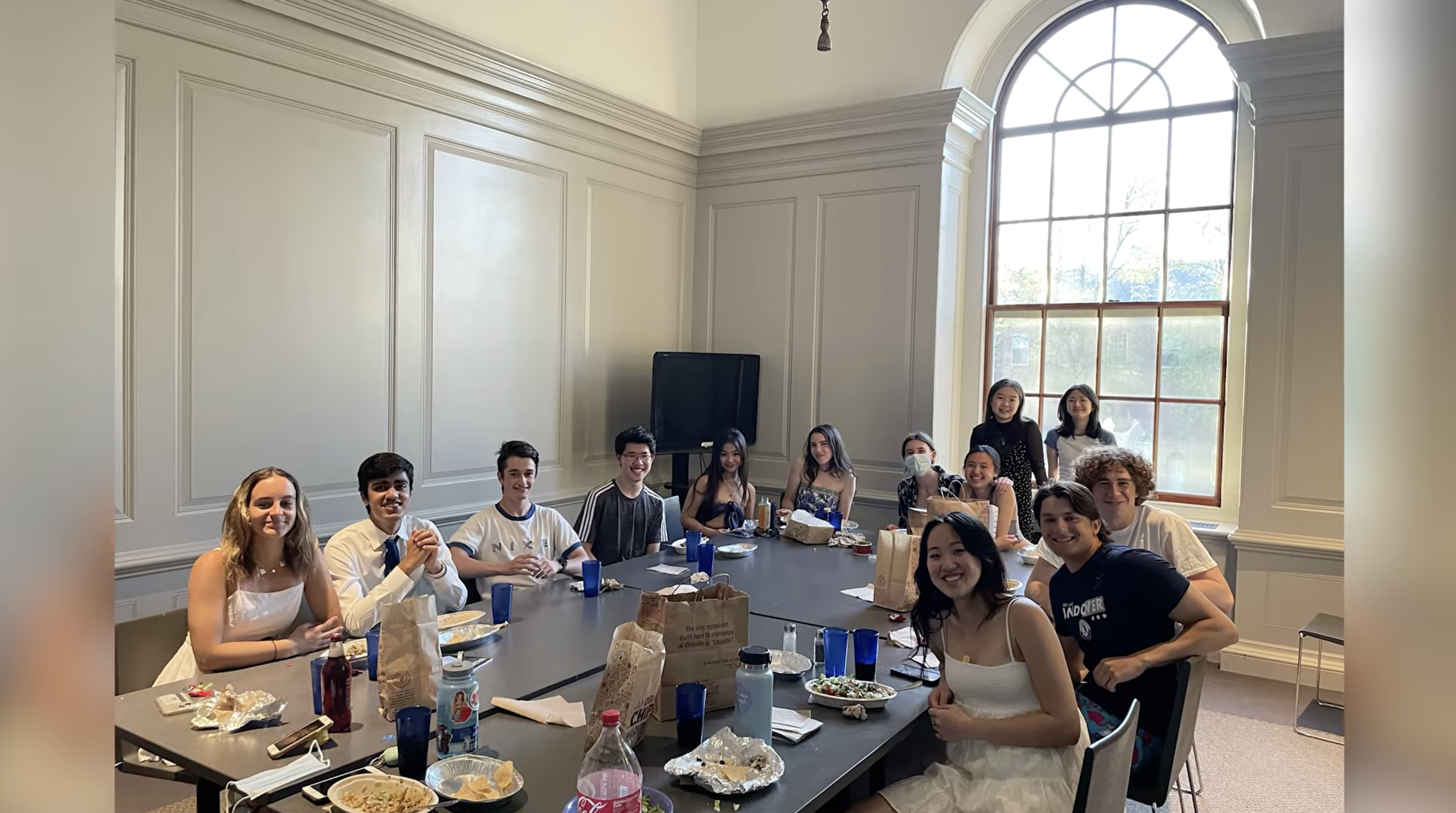
In 11th grade, Ben and Kei ran a two-week experiment. Delete the apps. Eat together. Sit in silence. Meditate every morning. They bribed people with Chipotle to show up. It worked — not because of the detox, but because of the space it created. For two weeks, people put down their phones because something better was happening in the room.
That was the insight: the Happiness Project didn't work because we took something away. It worked because we gave something back. A space where people could be present, feel seen, and actually connect. That kind of space doesn't need a detox to sustain it. It needs to exist in the first place.
What if every campus had a version of that conversation? One that starts before the phone — with the spaces that were already disappearing — and gets honest about what we actually need? That question became Kizzuna.
The Happiness Project was a two-week experiment. Kizzuna is the attempt to make it last.
The answer to the mental health crisis isn't as simple as taking away phones. It's giving back. Giving back community gatherings, giving back outside places, giving back 3rd spaces, adventure, free-play, exploration, endless nights, early sunrises. Let's give back childhood, and see what happens.
— The Kizzuna Team
Our Mission
We usually tell a story where social media caused the mental health crisis. Zoom out and the timeline tells a different story. Free play started disappearing in the 70s and 80s. Suicide for ppl under 15 quadrupled between 1950->2005. Community life hollowed out before Facebook existed. The phone didn't create an empty space — it arrived into one.
Just because we were raised online doesn't mean we're enslaved to Tiktok. We get to choose how we spend our time, how we gift our attention, and how we thrive in this digital world. No, it's not your fault. But it IS our collective responsibility to change.
The whole conversation is framed around taking things away: take away the phones, ban the apps, do a detox. We're more interested in the other side of that equation. What are we giving back? Free play. Third places. Communities where you belong without needing a reason. When that space exists, the phone just becomes less interesting on its own.
We ran our first detox in 11th grade. It worked. But not because we convinced people to put down their phones. It worked because for two weeks, we created a space where people could actually connect — eat together, sit in silence together, feel seen. The phone wasn't the problem. The absence of that space was. Build the space first.
The People
We are college students. We made something we believe in. And we show up every time we speak because we know the conversations matter.
Founder
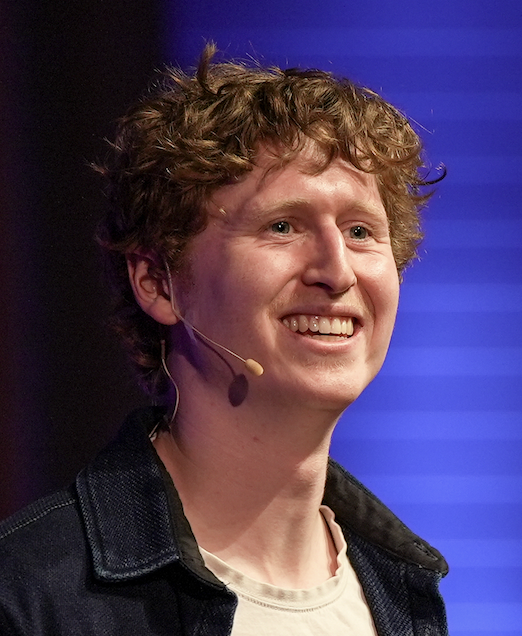
Ben has been running social experiments on himself since he was 15. First a two-week detox. Then a month of five hours a day on his phone. Then a documentary. Then a speaking tour. Somewhere in the middle of all that, he saw the need for a youth-led solution. This is where Kizzuna began
CFO (Chief Financial Officer)
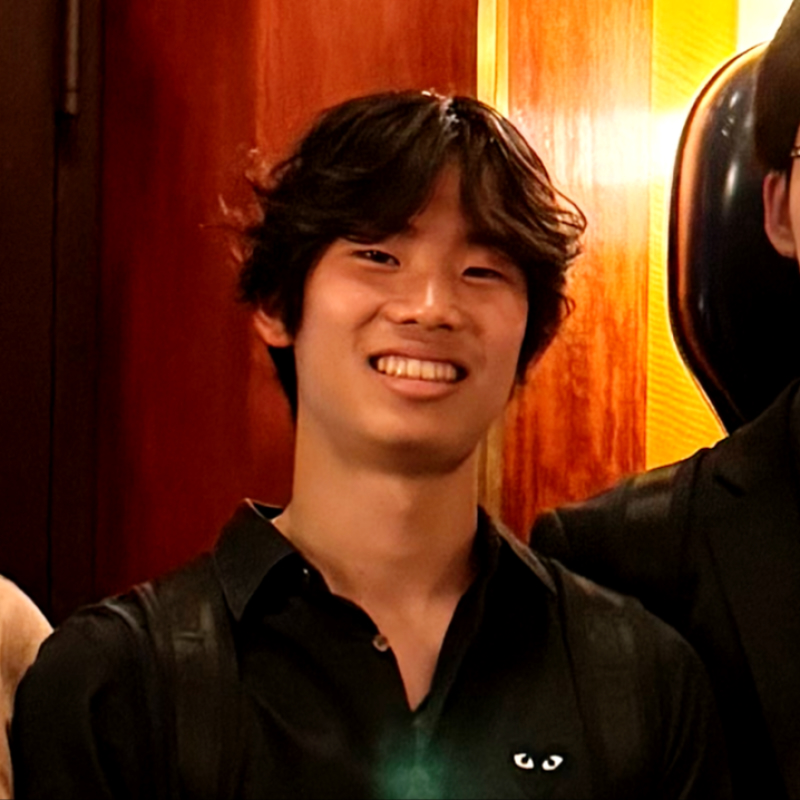
Kei co-founded the Happiness Project alongside Ben, running the original two-week detox beginning everything. Since then, he's been the finance lead and strategic advisor on the project as well as senior studying at Columbia University and Juilliard.
COO (Chief Operating Officer)
Studying English and Anthropology at Columbia University, Valentin got into our work at Kizzuna through his own experience growing up online. He has been an essential component of our fundraising strategy and school outreach, and he brings a unique, experienced energy to our team.
We started with a two-week experiment in 11th grade. Now we're speaking at schools from Florida to Colorado — and we're just getting started.
Timeline
11th Grade
Ben and Kei ran a two-week social media detox and daily meditation out of their high school. They bribed their friends with Chipotle. It worked — not because people put down their phones, but because they created a space where people actually wanted to be present.
The Experiment
While making the documentary, Ben went back on social media as hard as he could — five hours a day for thirty days. He expected to crash. He didn't. That confusion broke open the real question: what actually makes the phone a problem?
The Turning Point
After a talk at a school, a 10th grader named Jack said: "I've tried. I can't. I don't have a car, there's no park near me. I literally have nothing to do except be on my phone." That reframed everything.
Now
The film is on the way. The conversation is on campuses across the country. And the question has gotten clearer: what are we giving back — not just taking away?
Ready to Work Together?